ABOUT THE Brown Bear
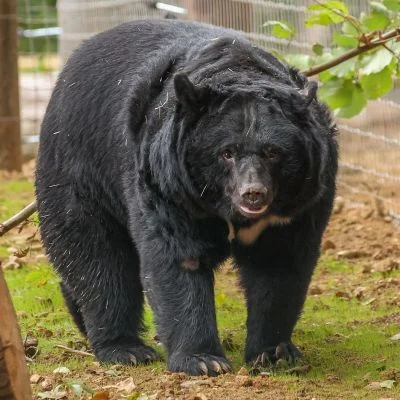
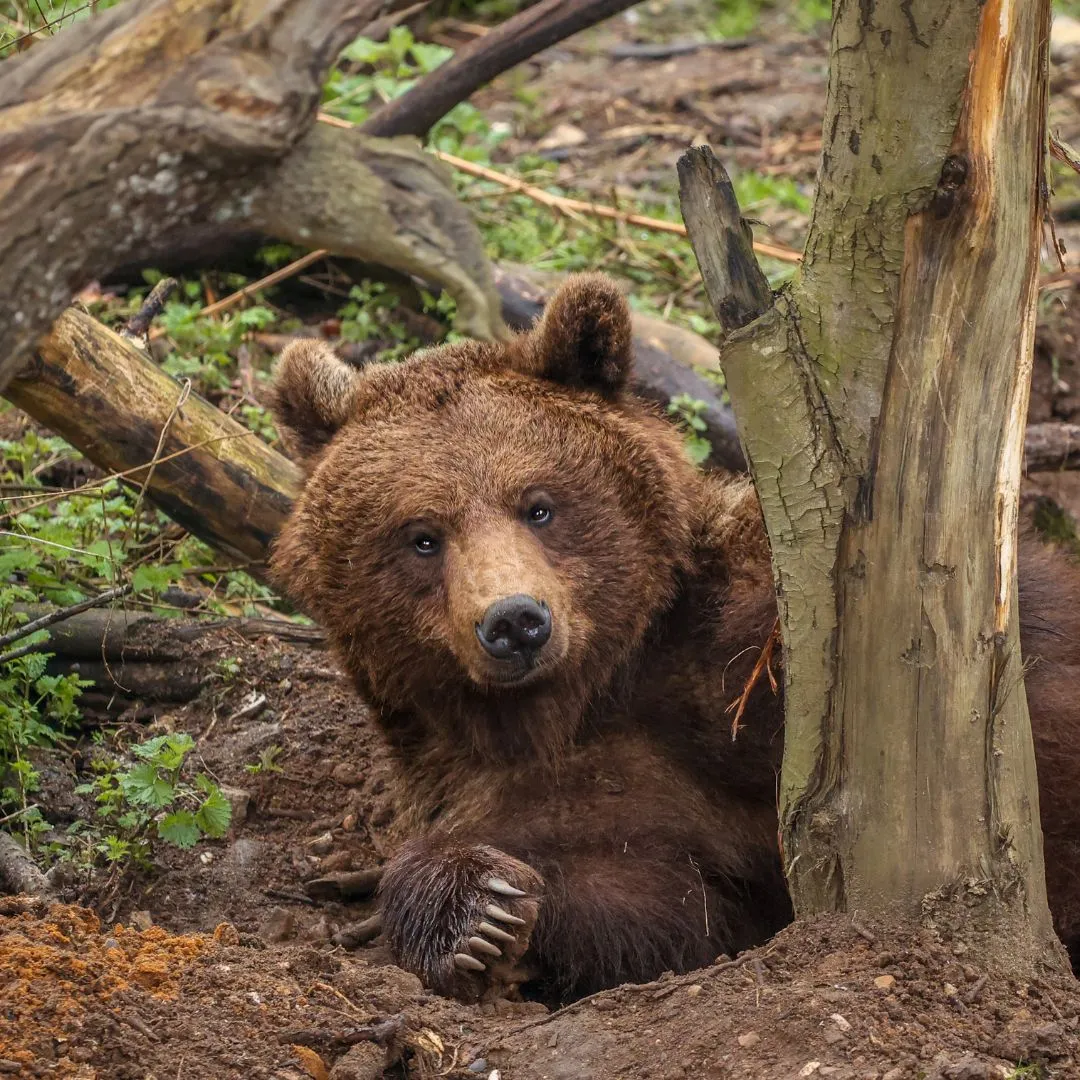
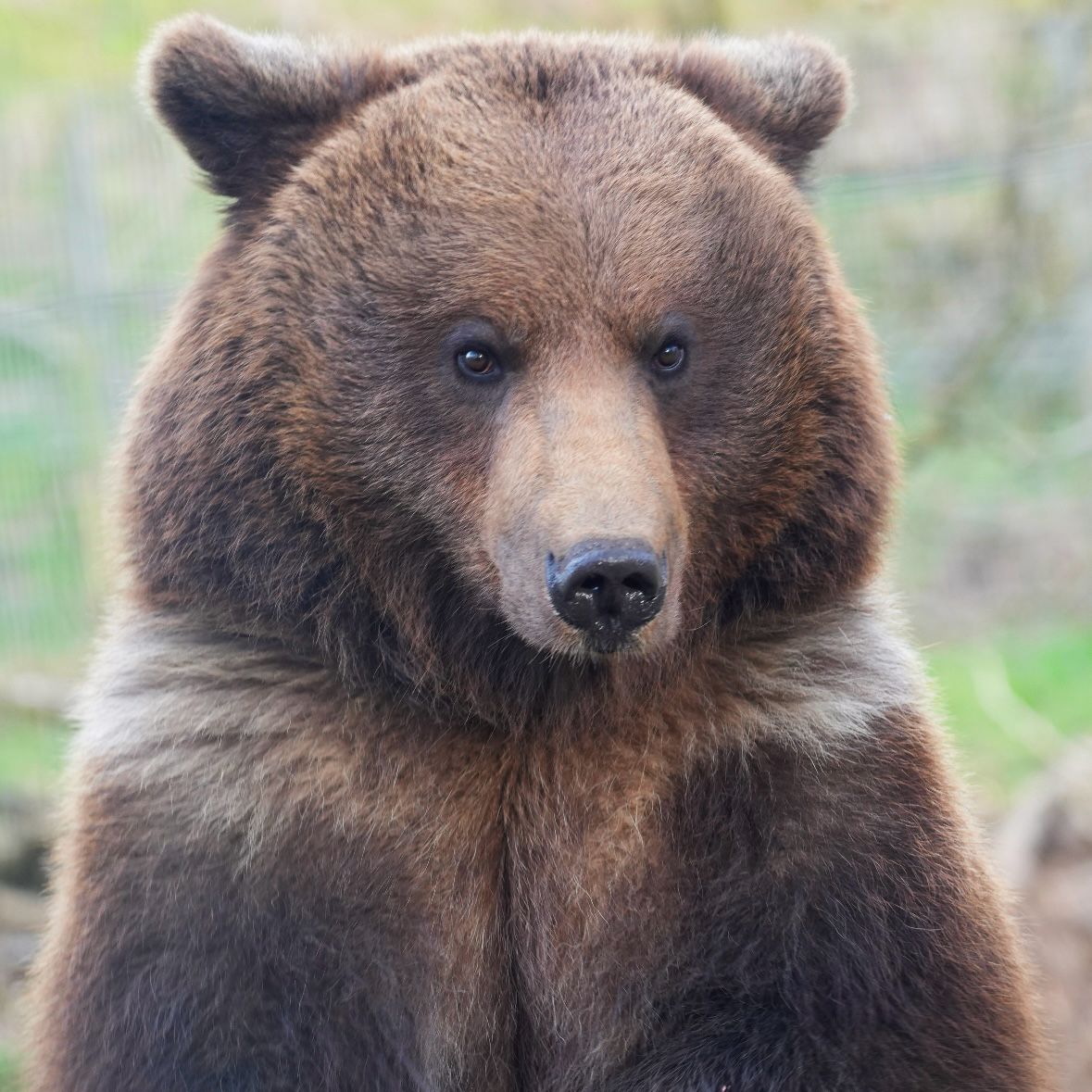
The brown bear (Ursus arctos) is a large bear species native to both Eurasia and North America. As one of the largest land carnivorans, it is comparable in size only to its closest relative, the polar bear, which is slightly larger on average but less variable in size. The brown bear exhibits sexual dimorphism, with adult males being larger and more robust than females. Its fur color ranges from reddish to yellowish-brown, dark brown, and even cream. Unique among bears, the brown bear has a muscular hump on its shoulders, which, along with its large paws, aids in digging through dirt. Its teeth are similar to those of other bears, reflecting its varied diet.
Brown bears primarily inhabit forested regions at elevations up to 5,000 meters (16,000 feet). They are omnivorous, with about 90% of their diet consisting of plants, despite their reputation as fierce predators. When hunting, they prey on animals ranging from small rodents to large mammals such as moose and muskoxen.
Introducing Diego & Brunhilda
Jimmy’s Farm & Wildlife Park were made aware of the imminent closure of Orsa predator park in Sweden that has been recently sold to developers. The staff in Sweden were ordered to relocate all the animals and any that could not be rehomed were to be put to sleep. In October 2023 Jimmy’s Farm & Wildlife Park and its official charity, ‘Space for the Wild,’ embarked on a mission to save Diego – the last bear left at the disbanded Swedish zoo. The park was overwhelmed by the public support who donated over £60,000 to the charity, to bring Diego to the UK.
We welcomed Diego into his forever home after he awoke from his Winter torpor at Wildwood Trust.
In late October 2024, we welcomed a brown bear called Brunhilda, from Romania, to ‘Diego’s Woods’ reserve. We couldn’t be more delighted to welcome Brunhilda to her forever home. Her journey reflects everything we stand for—providing a safe, caring environment for animals in need and giving them a second chance at life.
What is Torpor?
Brown Bears enter a winter resting period called ‘torpor’ between October and March. Before the winter sets in, the bears cushion a den with grass, leaves, ferns, moss and lichen. This cosy hole is ideal for dozing, because brown bears are not ‘true’ hibernators like, for example, hedgehogs. Although their heartbeat and breathing slows down, bears are easily woken and are able to defend themselves in the case of attack.
Did you know?
- Hibernation dens are usually caves
- During torpor, bears rely on fat reserves
- They lose around a third of their bodyweight weight
- Every bear is different when it comes to sleeping!
Update as of April 2025
After a restful few months in their expansive woodland reserve, both bears have stirred from their seasonal slumber, marking one of the most exciting times of year! The pair are already exploring their reserve, soaking up the sunshine and playfully reconnecting with their surroundings. Read more here: https://jimmysfarm.com/brown-bears-awake/
Did you know
Brown bears have one of the widest geographic ranges of any bear species, inhabiting regions from Western Europe and North America to parts of Asia, including Siberia and the Himalayas.
WHAT THEY EAT: Carnivorous
HABITAT: Forests and mountains
JFWP Animal Experience: No. Find more about Animal Experiences »
ANIMAL SPONSORSHIP: Find more about Animal Sponsorship»
CORPORATE SPONSOR: Available
Brown Bear Gallery



Check out some more amazing animals…











Jimmy’s Farm & Wildlife Park News