EUROPE’S LARGEST POLAR BEAR RESERVE
OPEN 7 DAYS A WEEK
EUROPE’S LARGEST POLAR BEAR RESERVE
OPEN 7 DAYS A WEEK
Polar Bears
Introducing Ewa, Hope, Flocke & Tala
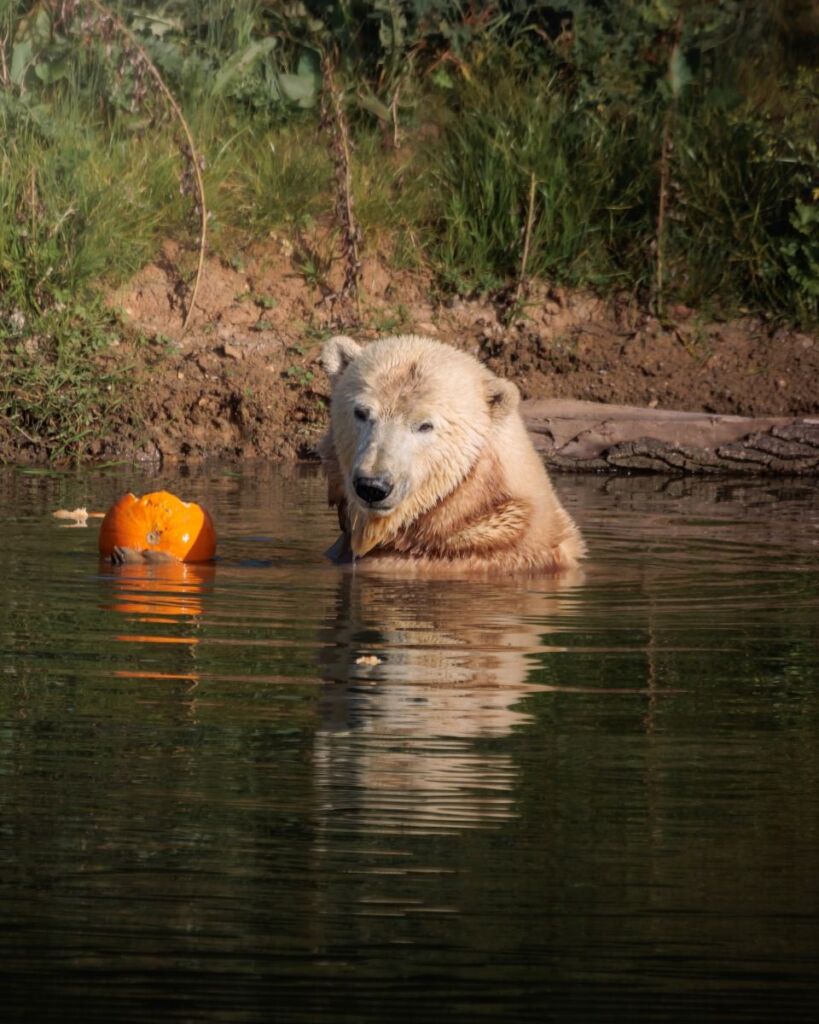
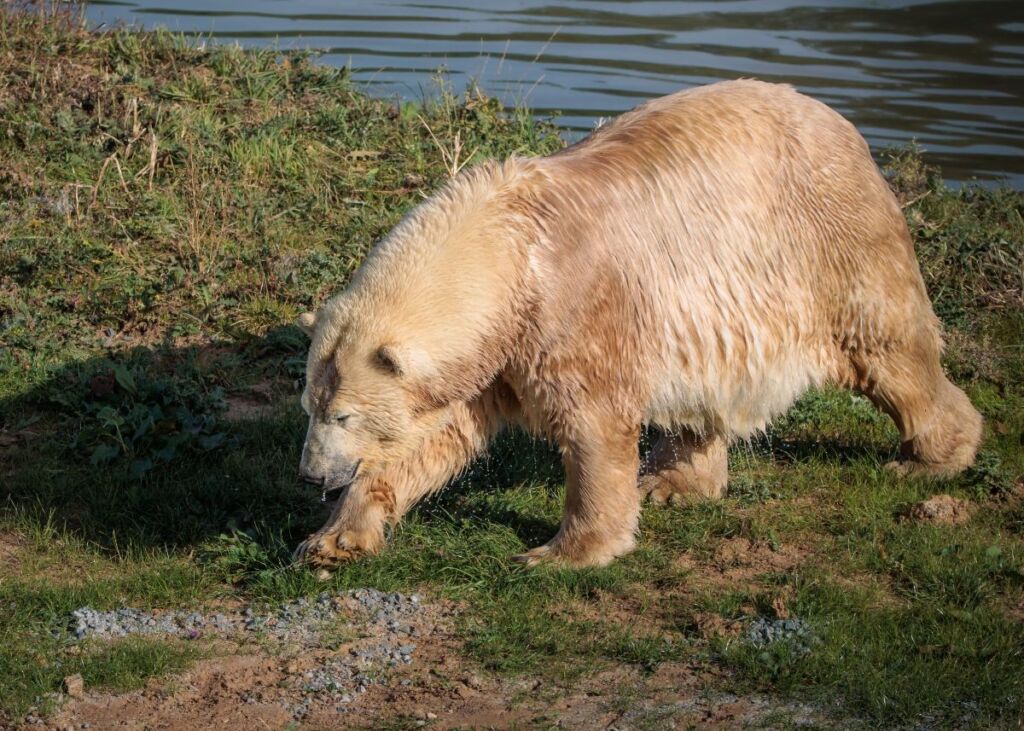
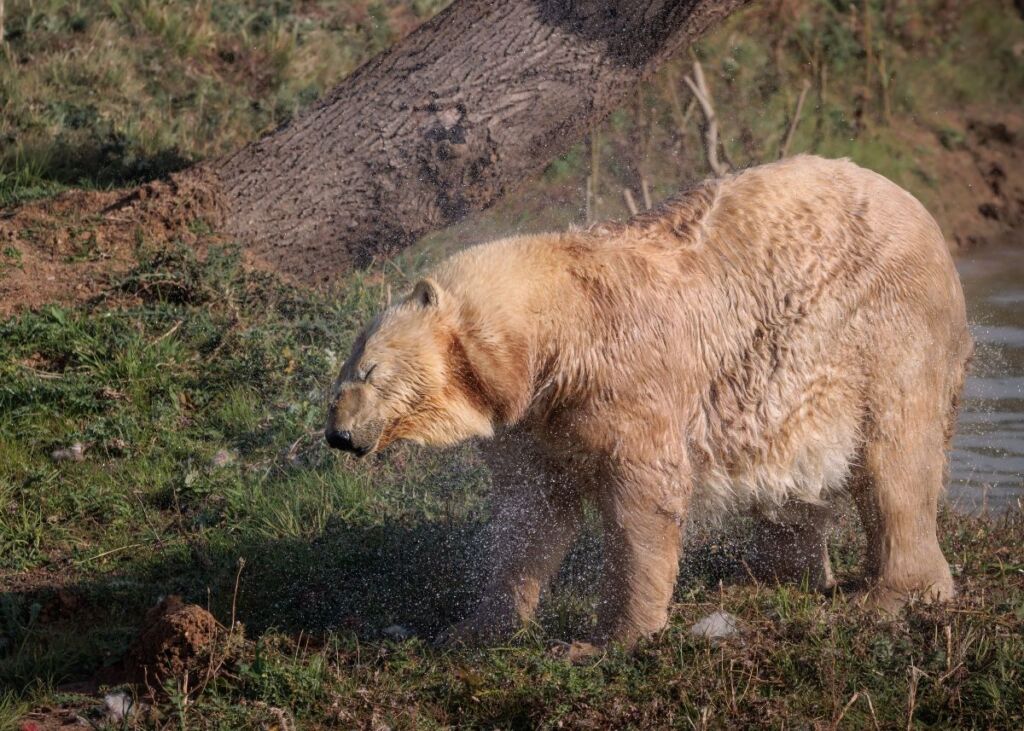
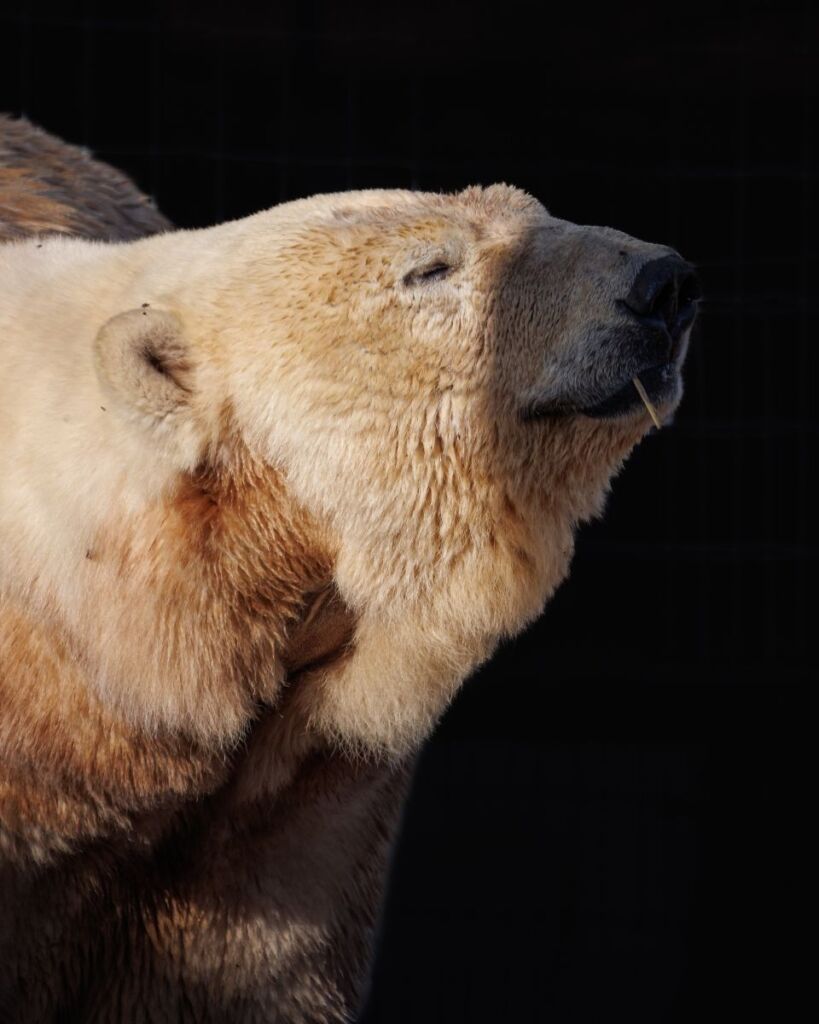
Our four beautiful polar bears are called Ewa, Flocke, Tala and Hope.
Ewa and Hope were companions at a zoo in Sweden called Orsa Rovdjurspark (Orsa Predator Park) which had to close in 2022. Ewa joined us direct from Orsa, whereas Hope has rejoined Ewa after staying at Peak Wildlife Park. Read more about Hope’s arrival.
Flocke and Tala have joined Jimmy’s Farm & Wildlife Park, from Yorkshire Wildlife Park, as part of the EAZA (European Association of Zoos and Aquaria ) Ex-situ Programme whose aim is conserving and safeguarding healthy populations of threatened species and animals in captivity. Read more about Flocke & Tala’s arrival.







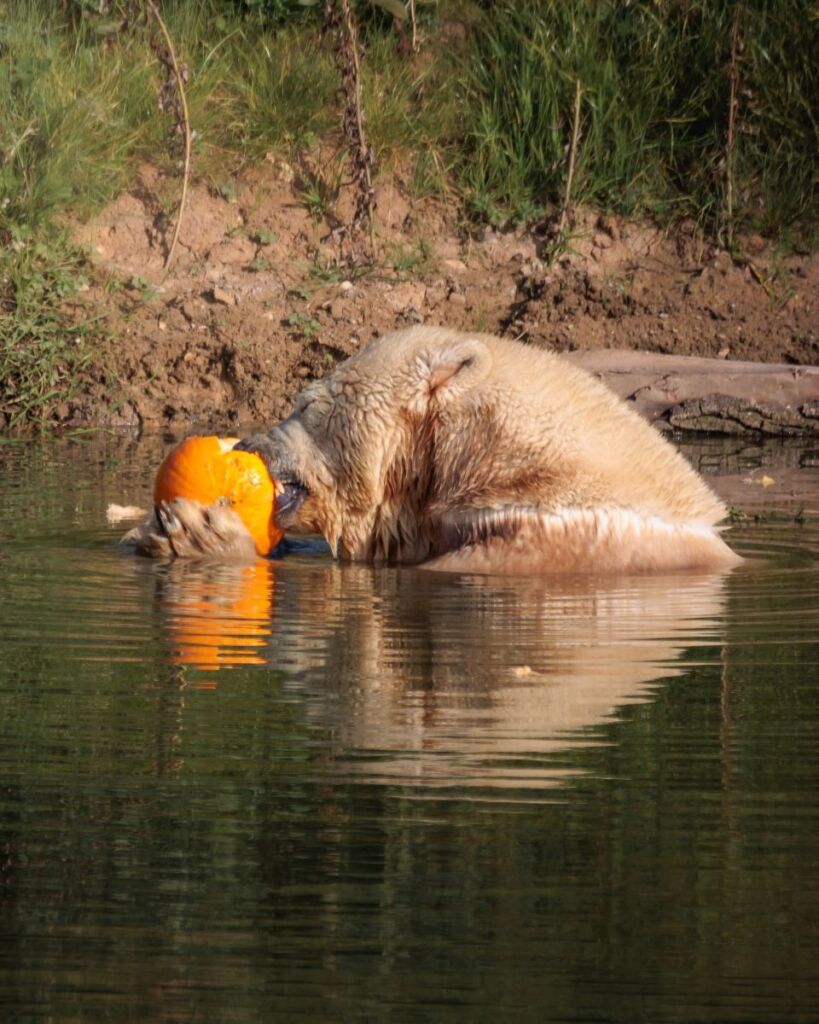
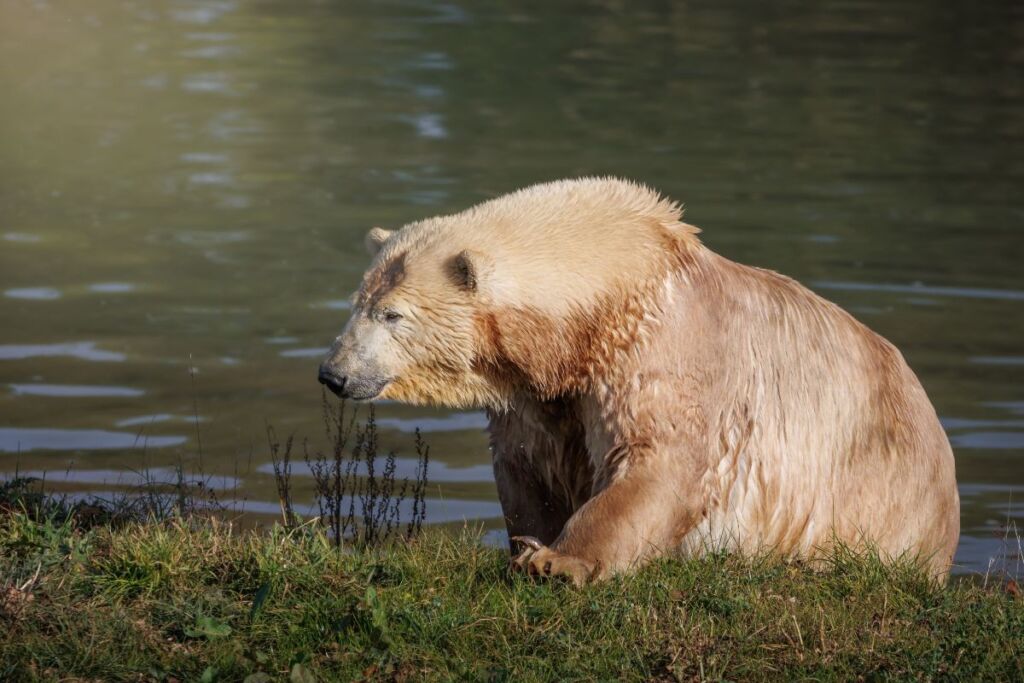
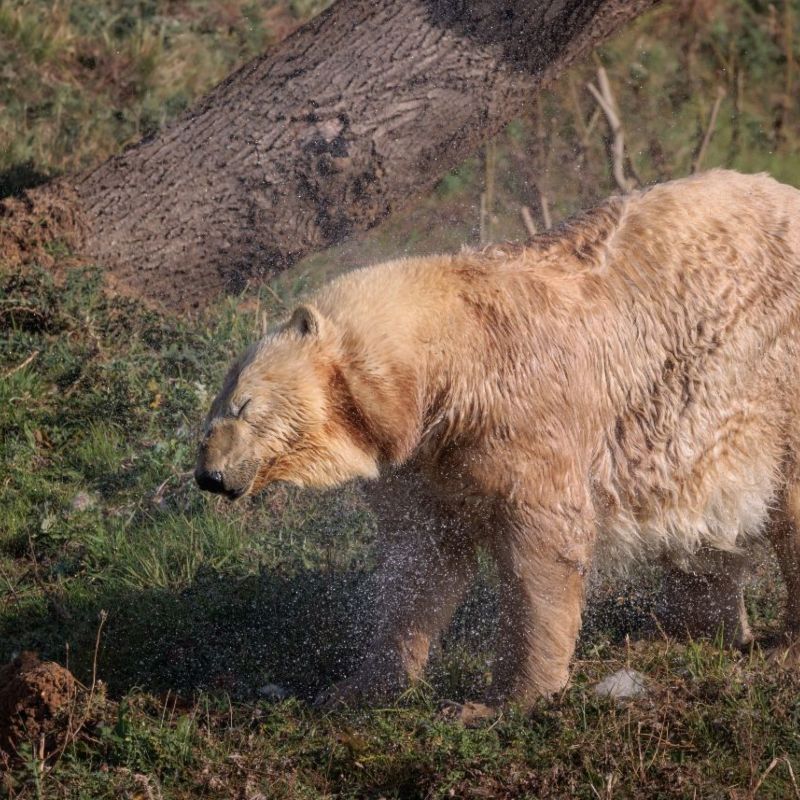
Bear in the Woods
The Lost Lands of the Tundra
Although ‘Tundra’ means treeless plain, we understand that in a world of rising temperatures we must now offer a large area of cooling shade for these magnificent animals to maintain their body temperature.
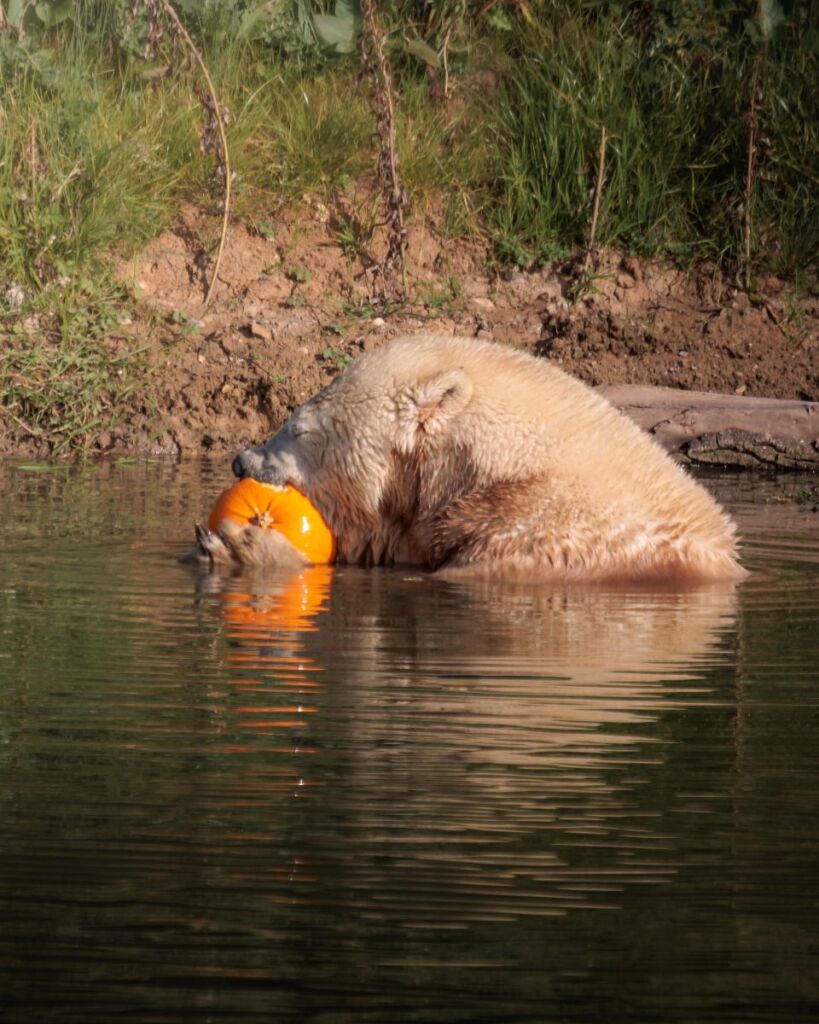
Ewa has access to over 5 acres of magnificent woodland.
This will not only keep her cool but will also offer an enriched environment allowing her to display natural behaviour.
Also check out our Polar Bear FAQs.
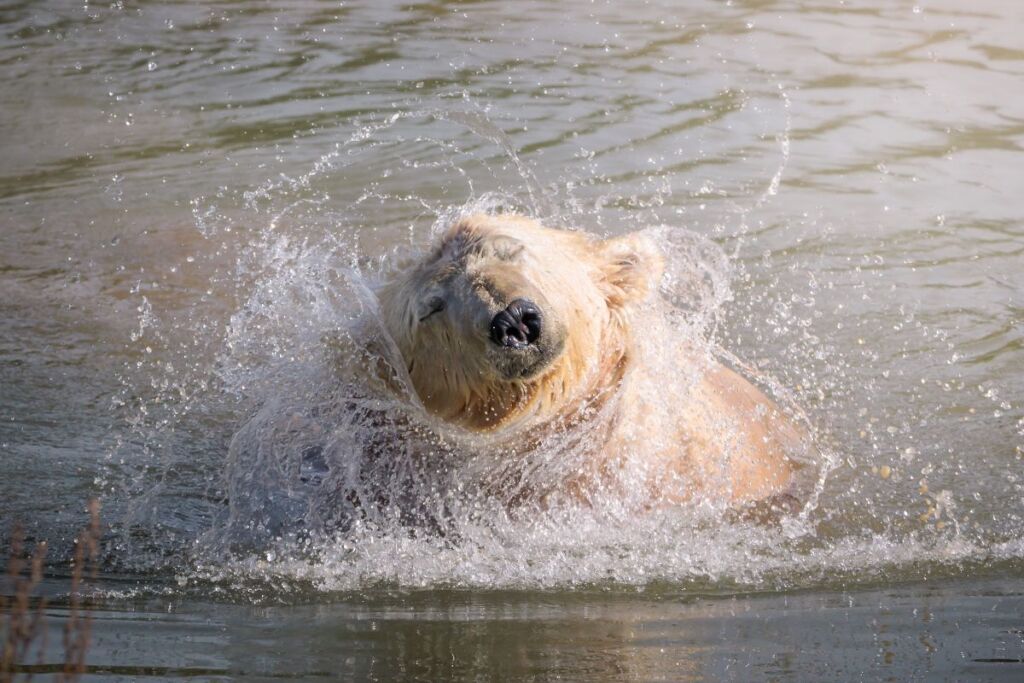
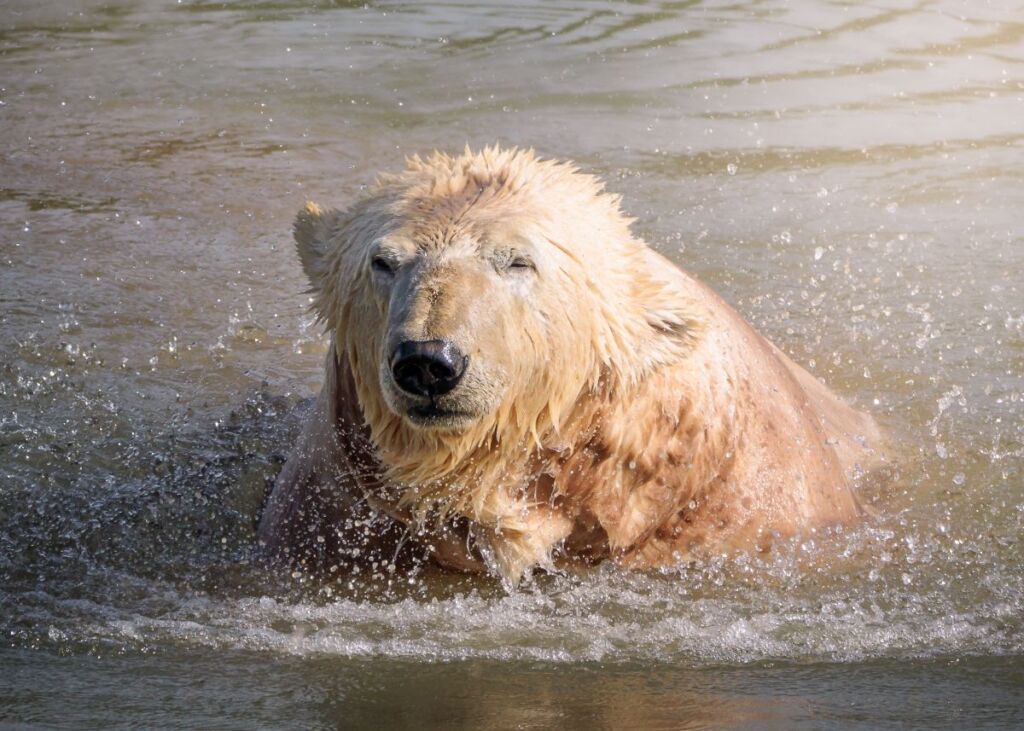
Making a big splash
The Lost Lands of the Tundra
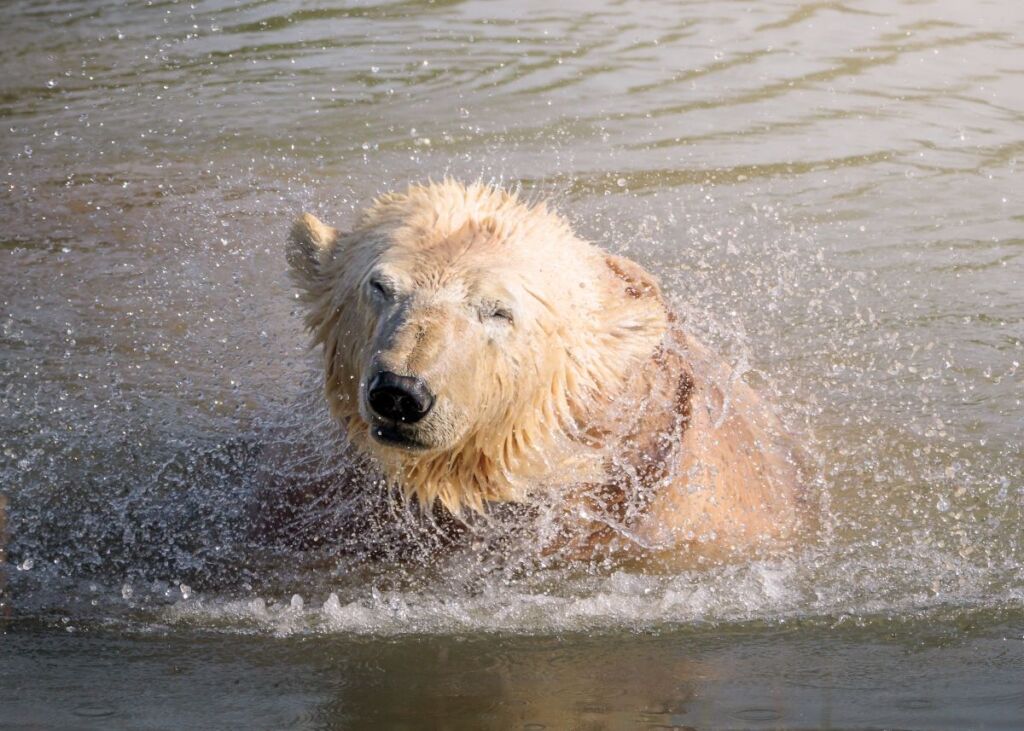
Were you aware that polar bears are classified as marine mammals? These remarkable creatures boast large paws perfectly adapted for swimming, using them to gracefully paddle through the water while keeping their hind legs flat, functioning much like a rudder.
Their affinity for swimming is precisely why we’ve provided Ewa with three expansive pools to relish. It’s a known fact that when submerged, a polar bear’s nostrils seamlessly seal shut, allowing them to explore the depths without a hitch.
In their aquatic domain, polar bears exhibit impressive speed, capable of reaching up to 6 miles per hour in the water. Even more astonishing, they can traverse over 60 miles without a pause, showcasing their extraordinary swimming endurance.


Suffolk cooler than the Bay!
The Lost Lands of the Tundra
In the wild, polar bears heavily depend on sea ice to facilitate their seal hunting expeditions, and in some remarkable instances, they may even target larger prey like whales.
Moreover, the sea ice serves as a preferred location for them to excavate dens for giving birth to their cubs. Nevertheless, during the summer months, when temperatures soar to 26°C in significant portions of the tundra, most polar bears do not reside on the ice throughout the entire year.
Hudson Bay proudly holds the title of “the polar bear capital of the world,” with its average temperature resting at a relatively warm 26°C. To put it in perspective, the average temperature in Suffolk is 22°C, making it a tad cooler by comparison.